New author Scams

There’s a part of becoming a self-published author that nobody really prepares you for. You spend months, maybe years, pouring yourself into a book. You finally get it out into the world. You feel proud, relieved, excited, terrified, all of it at once. Then almost immediately you realize there are people out there watching for that exact moment, and they know new authors are vulnerable.
I found that out the hard way.
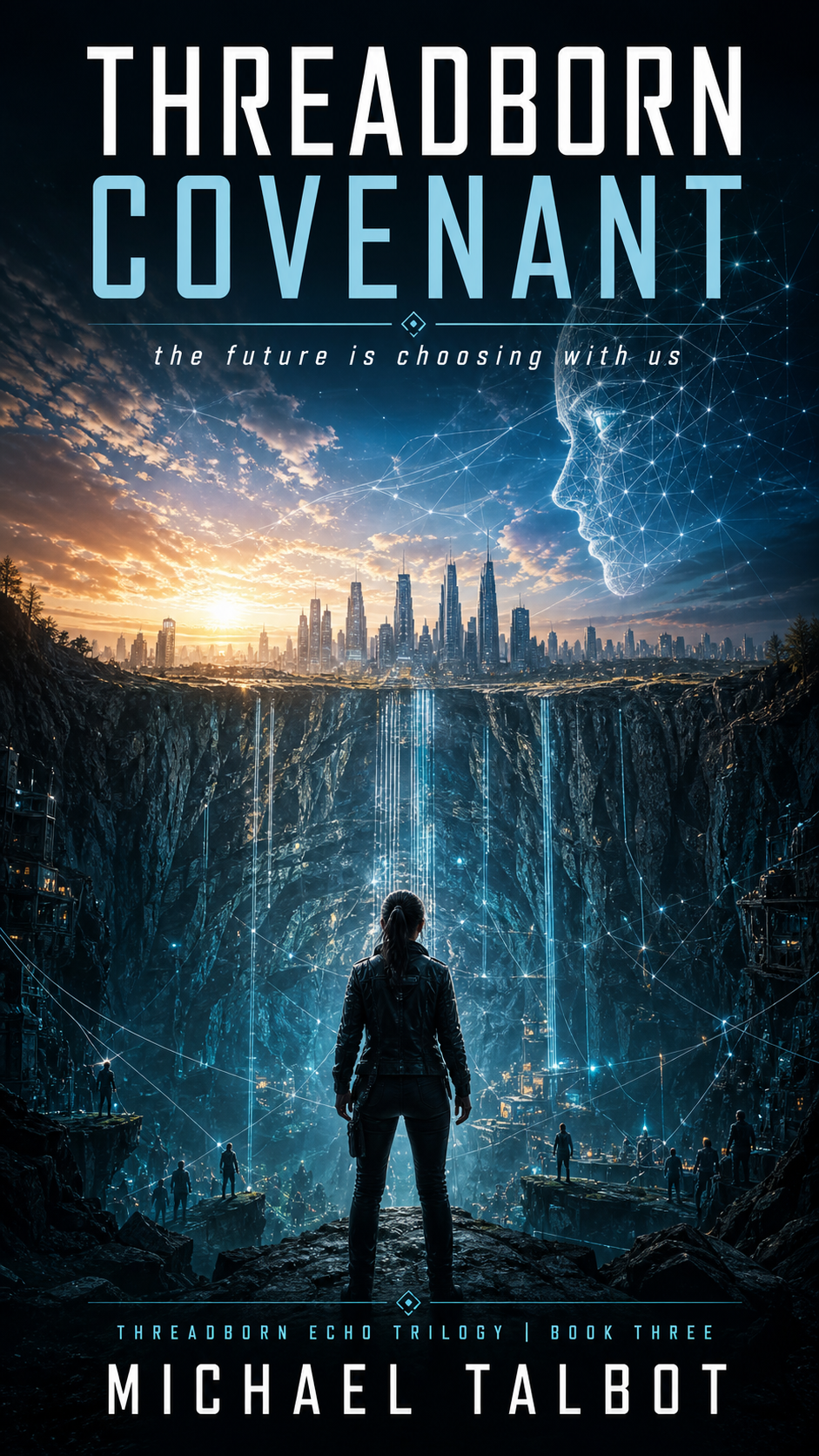
Recently, I hired a PR firm to help promote Threadborn Echo. I paid around $500, and to be fair, they did exactly what they said they would do. They sent out a press release with the book description, my author bio, and my photo, and it reached more than 400 outlets, including Fox affiliates and the Associated Press. It was a real promotional push, and it worked.
What I wasn’t prepared for was what happened next.
Within a couple of days, while I was still working my day job at a convention in Las Vegas, the emails started pouring in. Not a handful. Not a few dozen. Hundreds. Some were from friends and family who had seen the publicity, which was great. Most, though, were from marketers, promoters, agents, book clubs, author platforms, publicity companies and people claiming they could help me “take the next step.” Almost every one of them wanted money, anywhere from $250 to $5,000.

That was my first real lesson in what it means to be a new author in public.
When you are new, people know you are still figuring things out. They know you are excited. They know you want validation. They know that after spending so much time writing a book, hearing praise can hit you right in the ego, especially if this is something you have dreamed about for years. And that is exactly what some of these people exploit.
They do not just sell services. They play to your vanity.
Some of the most convincing messages I got were not from marketing firms at all. They were from people pretending to be successful authors. They introduced themselves like established sci fi writers, bestselling authors, people who had supposedly been on major lists multiple times. They told me my story was unique. They said something about my book stood out. They claimed they felt personally compelled to reach out, connect, and encourage me.
And they were good at it.
They included enough details about my book to seem real. They linked to websites, author pages, retailer listings, and features that made them look legitimate. They built credibility first. They built rapport second. Then eventually, and only after they had drawn me in, came the real pitch: would you mind if I introduced you to a close friend of mine who helped me go from struggling new author to where I am today?
That was the hook.
From there, the conversation would shift. They would ask how much I had invested in publishing. They would ask what I was making per book. They would ask where I was distributed, what platforms I was using, what my goals were. It felt friendly on the surface, but looking back, it was all reconnaissance. They were not trying to support me. They were trying to qualify me.
What makes this especially uncomfortable to admit is that one of them almost got me.
I am not saying I sent money, because I did not. But I got far enough into the exchange that I started to wonder if maybe this person was real. That is how convincing they were. They even suggested doing a Zoom call, but with the perfect little touch of fake scarcity, “I only have 15 minutes because I am deep in edits on my latest novel.” That kind of detail is designed to make the whole thing feel authentic.
What finally broke the spell were the inconsistencies.
A few links in the email signature were broken. The email address itself started to look ridiculous once I slowed down and really looked at it. So I did what I should have done earlier. I searched the name. Sure enough, I found that this scam had already been reported and had been targeting new sci fi authors, flattering them, funneling them to a “friend,” then pressing for payments. Once money changes hands, they disappear.
That realization hit me on two levels.
First, I was relieved I had not gone further. Second, I was embarrassed that I had gotten as close as I did. But I think that embarrassment is exactly why more people need to talk about this stuff openly. These scams work because they are tailored to catch people in a hopeful moment. They do not always come dressed like obvious fraud. Sometimes they come disguised as encouragement, community, mentorship, or professional opportunity.
So if you are a new author, especially in sci fi or in self publishing, here is my advice.
Be grateful for genuine encouragement, but stay skeptical of fast friendships and flattering messages from strangers. Verify every person. Check their email address. Test their links. Search their name with the word “scam.” Be careful with anyone who quickly turns the conversation toward money, contacts, or “special opportunities.” And if someone seems deeply interested in helping you, but somehow the path always leads to a paid introduction or an off platform payment request, trust your gut.
I am sharing this because I want to be honest about the process. Writing and publishing a book comes with highs and lows, wins and bruises, excitement and awkward lessons. This was one of those lessons. If talking about it helps even one new author avoid getting pulled into the front end of the trap, then it is worth sharing.
Here is my latest challenge to these folks, becuase some are legit. If you are intrigued, by the book, or pay for the audio. Come back to me with your receipt and I will re-imburse you and we can have a meaningful interaction from that point forward.
If you are following my journey as I build Threadborn Echo, thank you. I will keep sharing the real parts, not just the polished ones.


Comments