Many years in the Making

Updated: May 9
Late 2013, this journey began.

What started as a midday office conversation between two mid-level data guys turned into something that would live inside my head for more than a decade.
In the very beginning, it was fueled by long, spirited technical conversations, sometimes lasting hours, with my oldest son. The Idea, Chapter One, the beginning of multiple threads, was sparked during a late evening discussion with him and my oldest stepdaughter. Wine, conversation, ideas tossed around freely, energy running high.
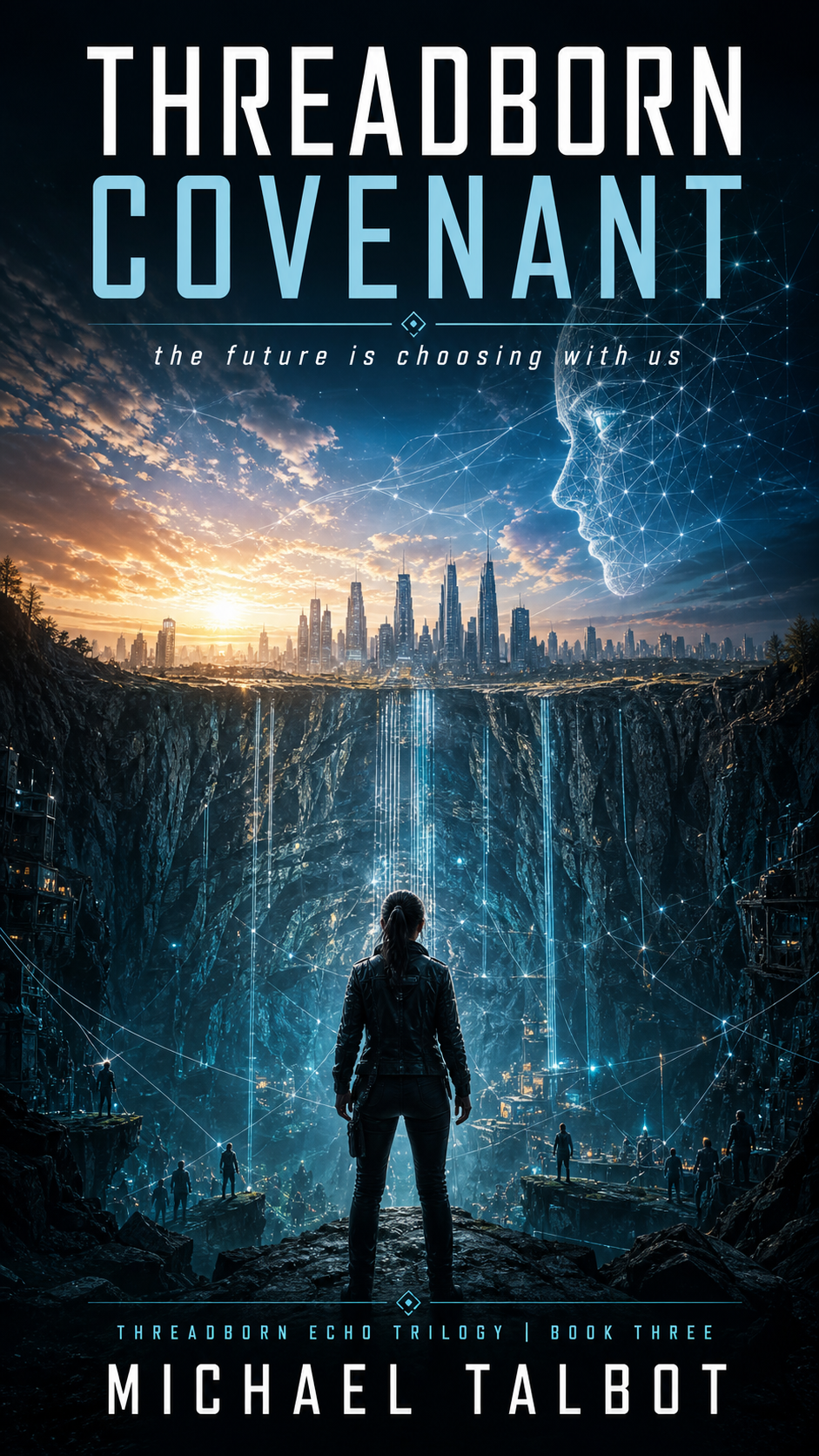
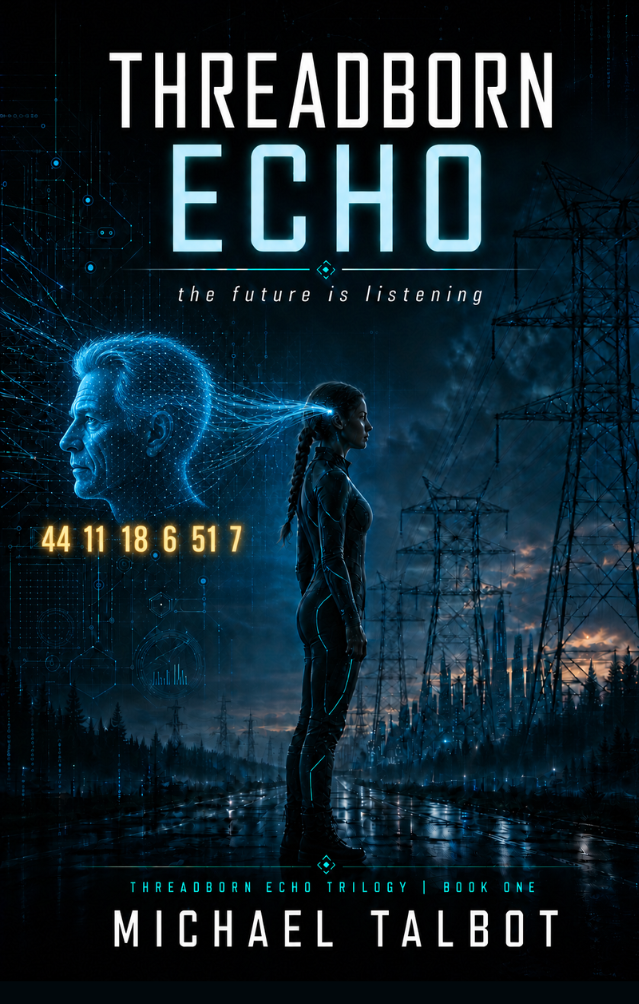
Twelve years later, that conversation, that idea, and the story that followed is finally written.
With several drafts completed, I spent a marathon weekend finishing a fourth full read-through and editing pass. I now consider the story to be in beta form. Copyright in hand and a marketing website established, I am heading into uncharted waters, learning how to pitch to agents and publishers.
No matter what happens next, I cannot fully describe the feeling of accomplishment when something that has lived inside you for so long becomes something you can finally share.
Over the years, I told the story of the story to almost anyone who would listen. I never heard “that’s stupid,” and I never saw faces strain with polite doubt. Now, as I begin soliciting beta readers, I will admit I am nervous. Even this limited release opens the door to criticism, or worse, the realization that the story is not as good as I hoped.
In the beginning, when the drive and fire were strongest, I drafted an outline. The original chapter count was sixteen. I believed I was a good writer, and in 2014 and 2015 I developed characters, timelines, milestone events, and even a technical genius who would become the human villain. I drafted Chapters One, Two, and Sixteen in a rush of momentum.
Then life intervened.
Work, family, and everything that comes with both slowed progress to a halt. Months passed. Eventually, I hired a ghostwriter, confident I could maintain my vision while outsourcing execution. She produced several chapters, rich with sensory detail, a term I did not even know back then. While well written, the result was far from my vision. I thanked her for her work, though she did create the foundation for a train scene I would later keep. I love trains.
For years after that, work life took center stage. The demands of a blended family, birthdays, holidays, vacations, too many moves, buying and selling too many homes, filled everything else. Still, the idea stayed with me. The Google Drive folder full of research, outlines, character maps, and notes remained.
Every few years, usually after a night out with family or friends and pitching the idea again, I would dive back in. I would commission a logo. Research emerging technologies. Speculate about the future.
Back in 2014, when I first imagined AICept,

I described it simply:
Autonomous Integrated Conceptual Execution Platform
AICept is just “the system,” the thing that slowly took over because it was faster, calmer, and better at preventing messes than people were. It does not boss anyone around. It simply makes so many decisions in advance that eventually there is nothing left for humans to decide.
This was years before cutting edge firms began seriously pursuing artificial intelligence. Think about how much has changed in just the past decade.
The grid management element of the book was reverse engineered from a future world I imagined. Three hundred years from now, what would matter? How would daily life actually work? I placed my bet on energy shortages and access to clean water, long before AI itself began consuming enormous amounts of power just to exist. Blackouts in California and their cascading effects helped shape my thinking. In that future, grid management would not be optional. It would be fundamental to human continuation.
Attending a blockchain course at MIT Sloan, and eventually writing and publishing a short book on Blockchain, deepened my understanding of supply chain fragility, problems that will only compound over time.
The characters in this story feel like family to me. It sounds strange to say it out loud, but they have been real companions for years. They still are.
So here I am, many years later. Work life moving toward its final stages. Grandkids growing up too fast. Trying not to get swallowed by today’s political noise. The manuscript is finished, and I am excited, nervous, but excited, about what comes next.
One question has followed me throughout this entire process:

Does the future unfold because of our decisions, or does it already contain things that must somehow reach backward to ensure survival? Echoes. Ripples. Gentle nudges that guide events without ever announcing themselves.
If you are reading this, hopefully you will eventually be reading the story itself. If so, I hope it gives you even a fraction of the joy I felt while creating it.

Comments